Bridgestone
Bridgestone
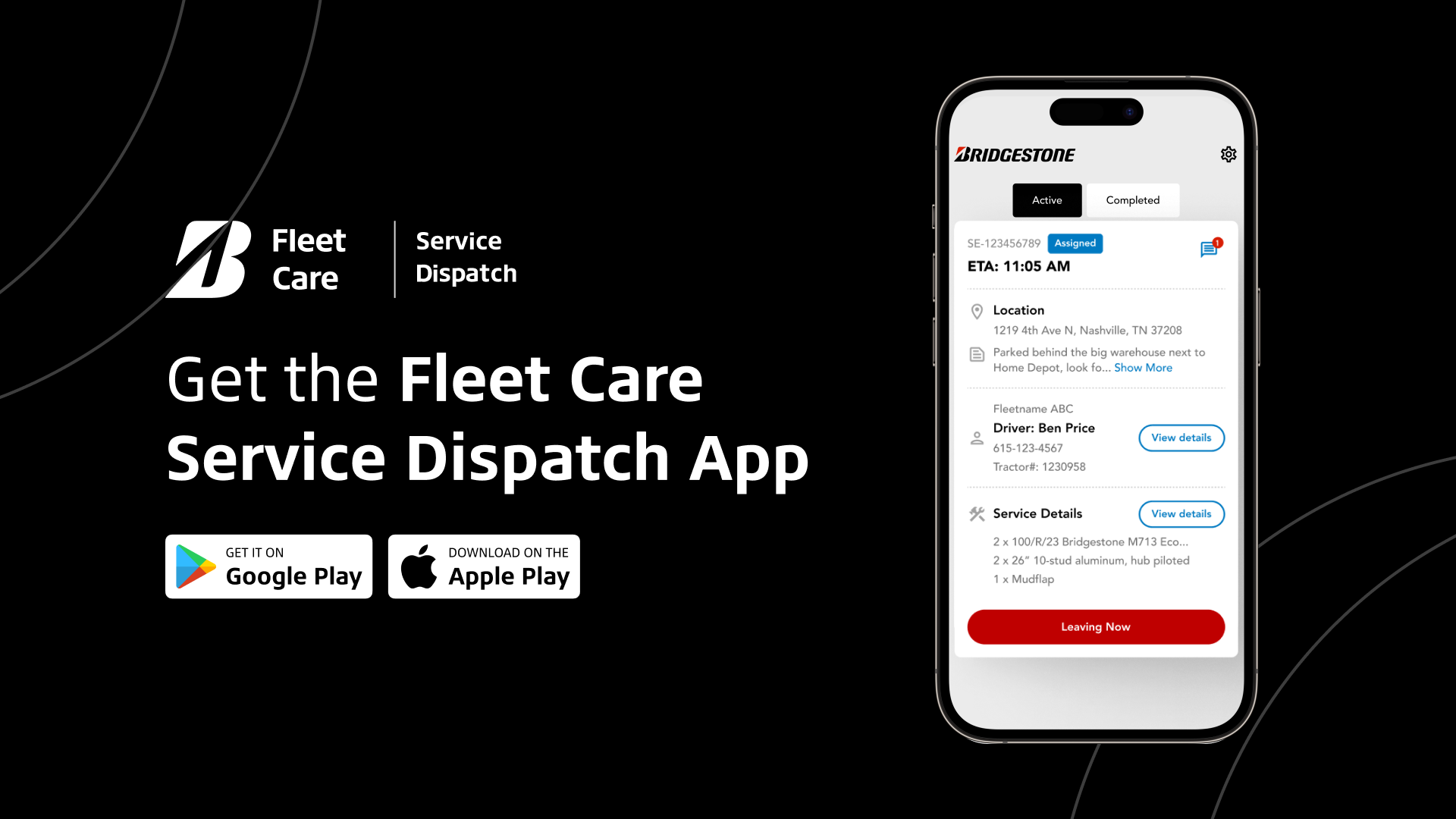
Bridgestone Service Dispatch Platform
Designing a nationwide system connecting dealers, fleets, drivers, and technicians in real time
Project Overview
Role: Senior Product Designer
Timeline: 2024 – Present
Platform: Web + Mobile
Users: Dealers, Fleet Managers, Drivers, Technicians
Scope: End-to-end product design, workflows, system definition
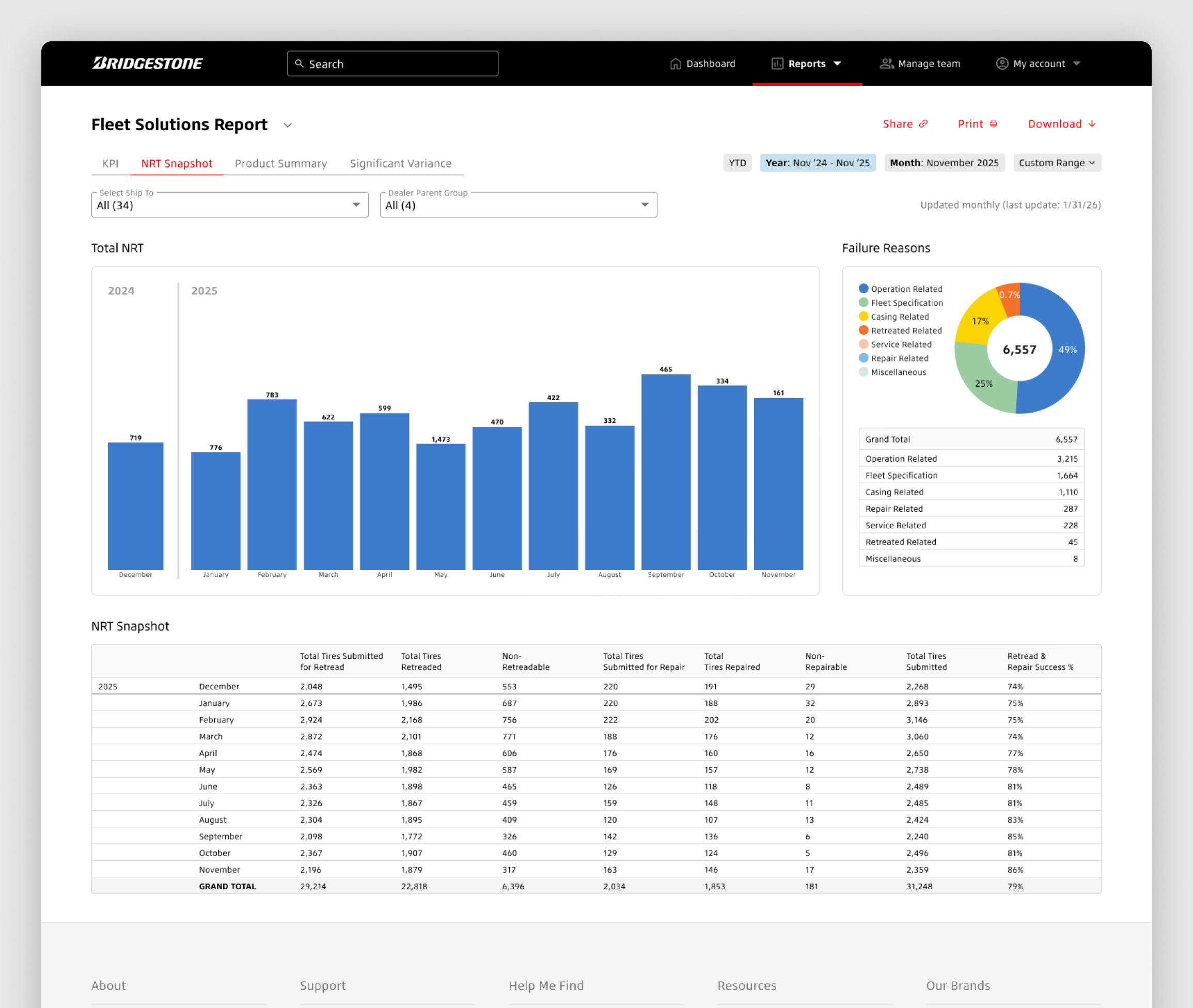
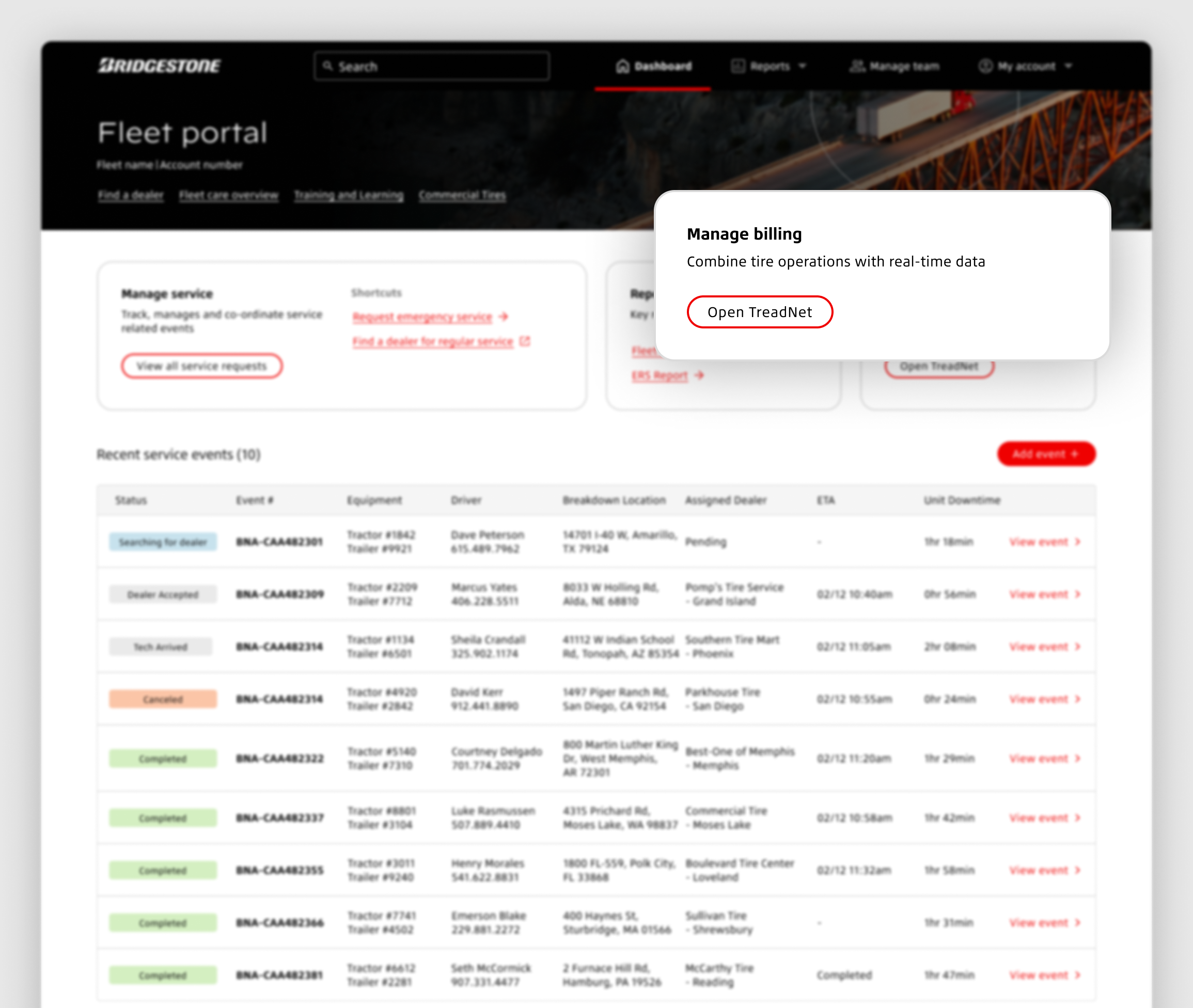
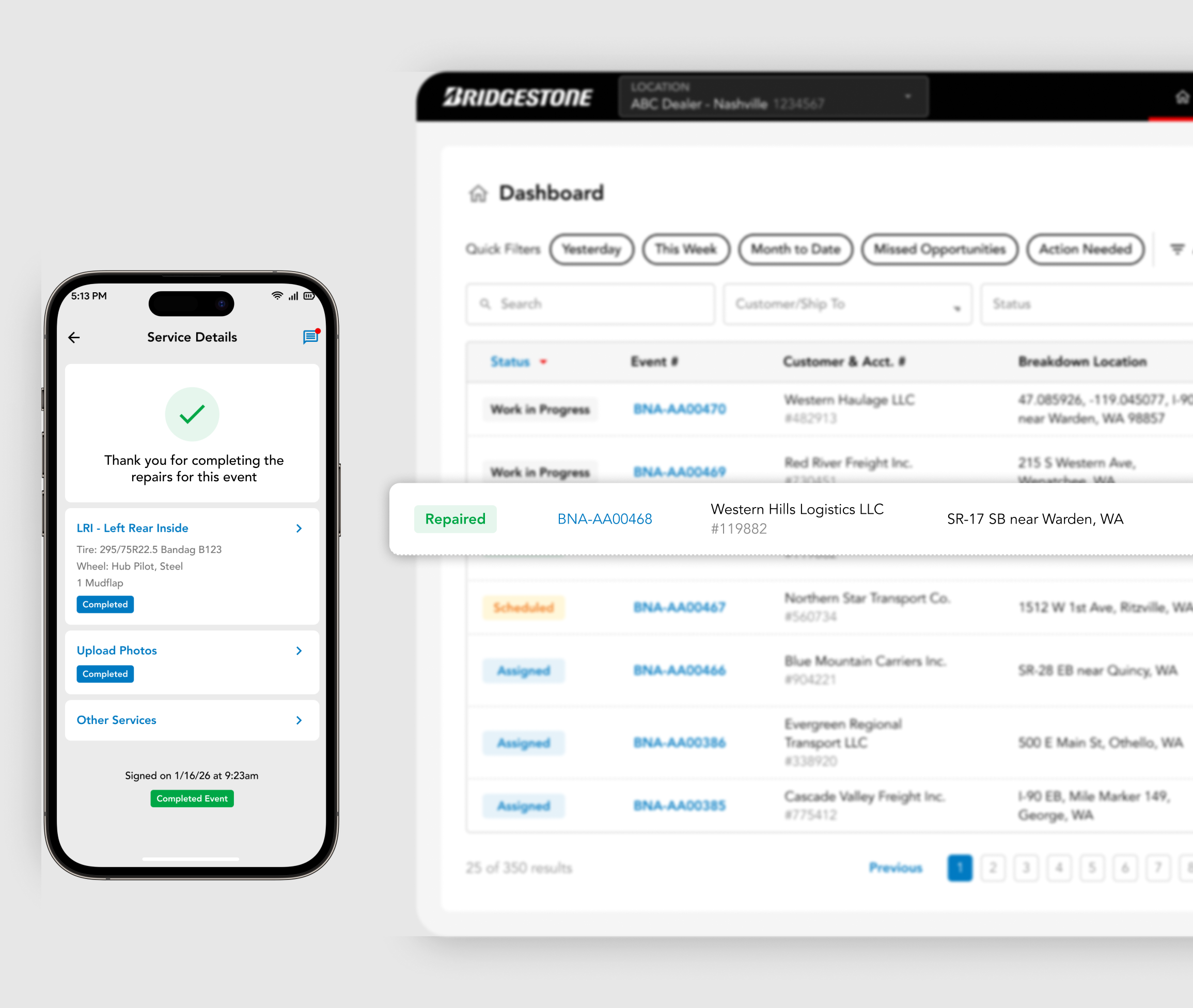
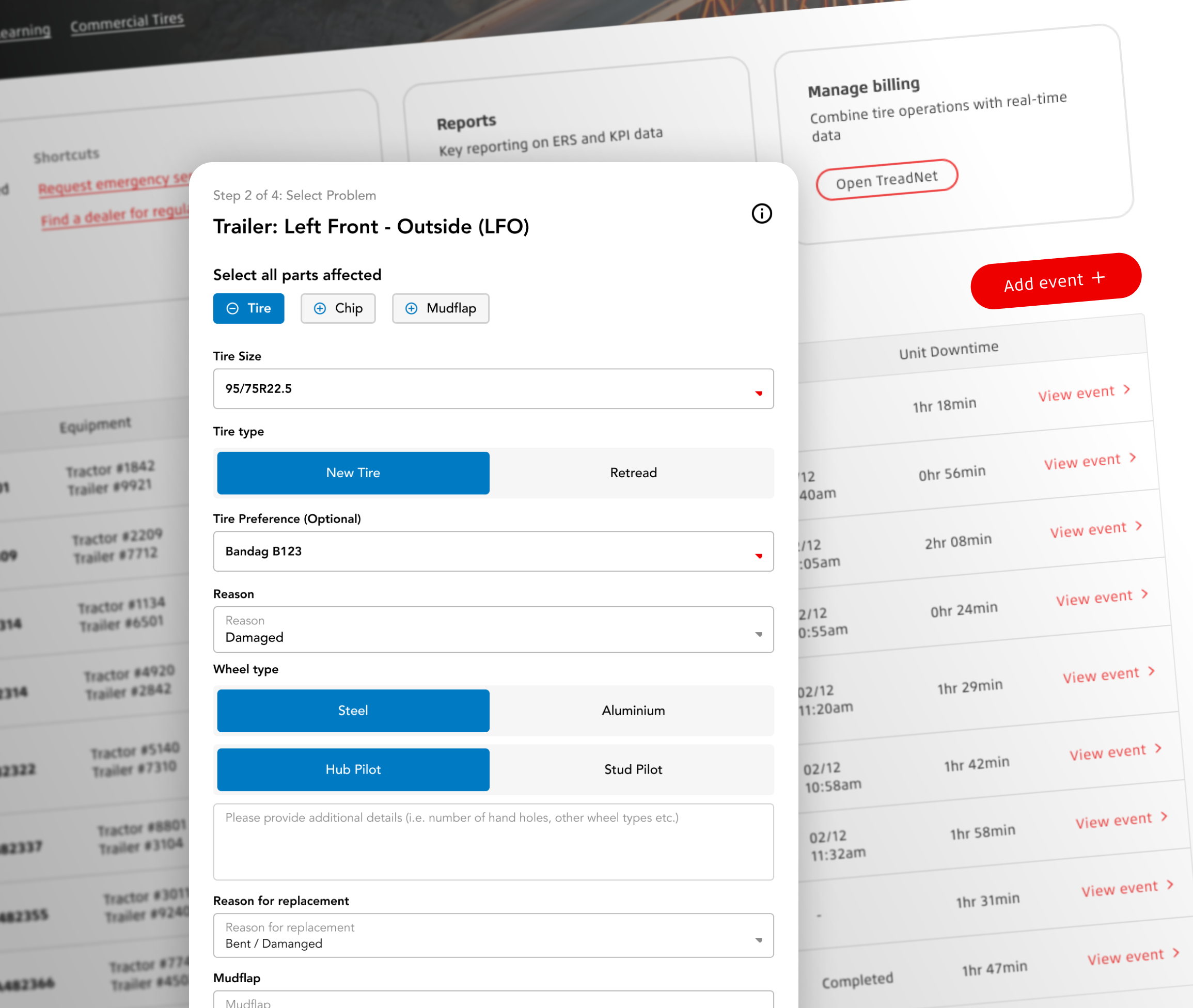
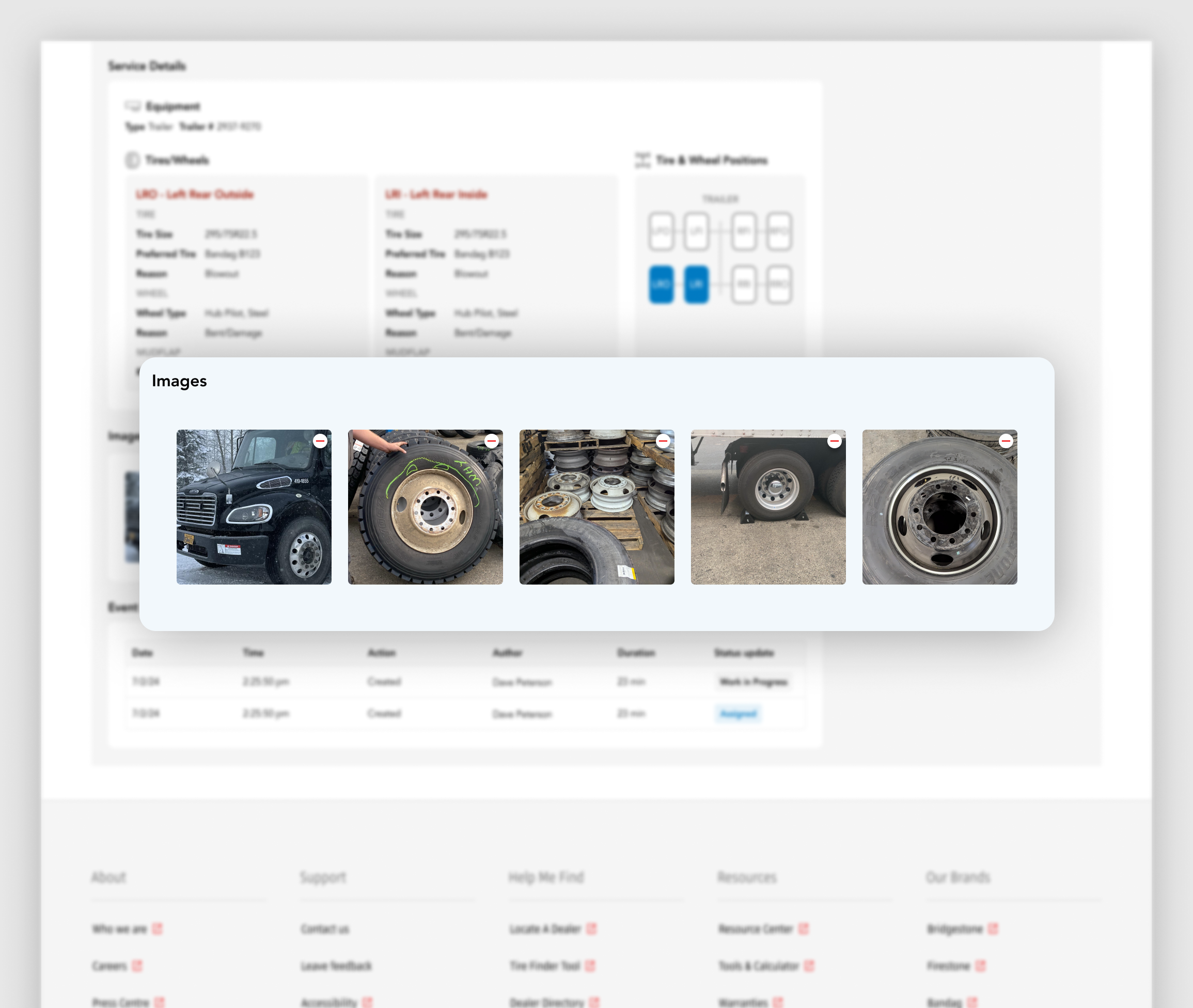
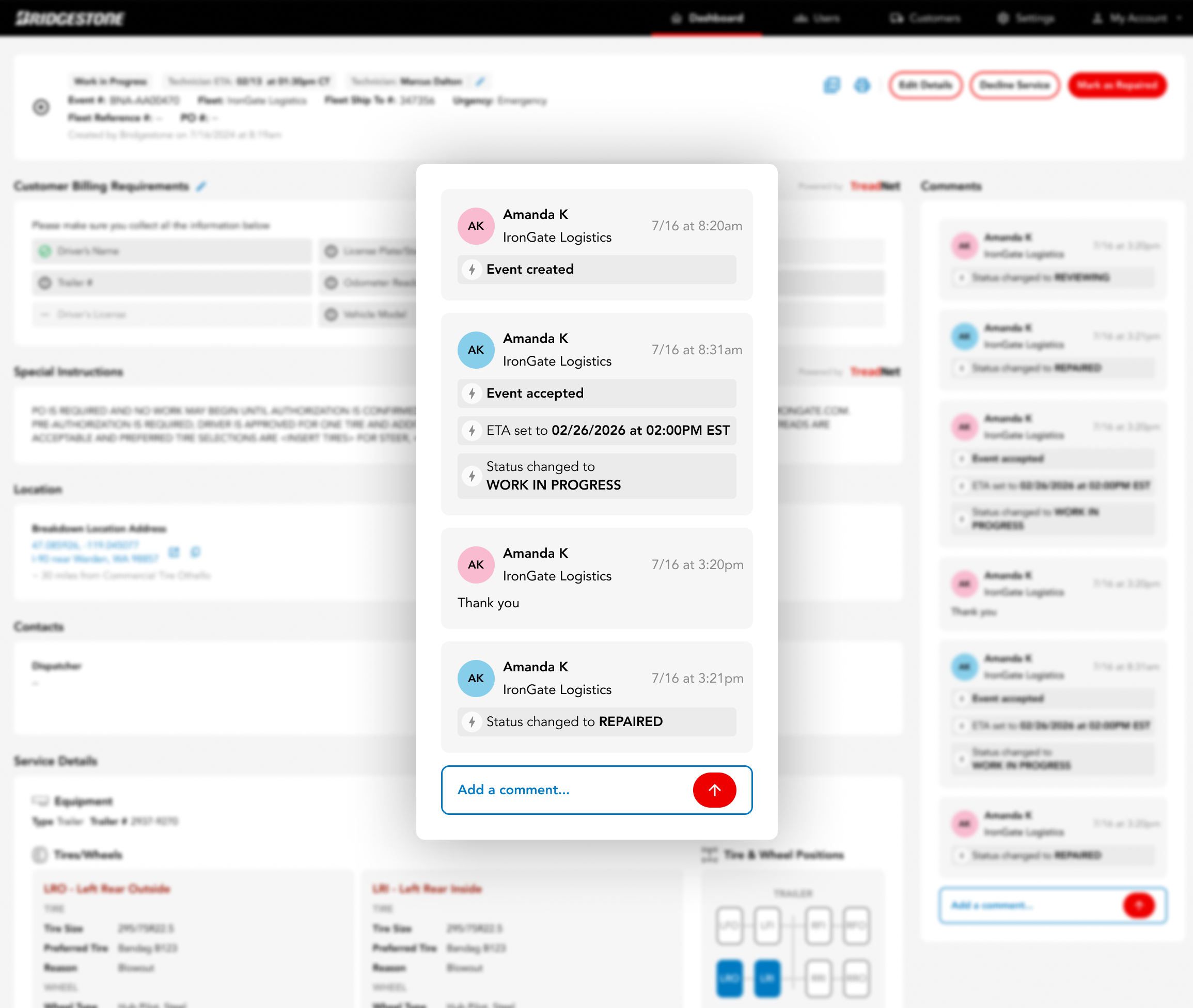
The Problem
Bridgestone’s service operations rely on a distributed network of dealers, fleet managers, drivers, and technicians.
However, the dispatch process was:
Fragmented across tools and manual workflows
Difficult to track in real time
Prone to delays and miscommunication
Lacking visibility across teams
As a result:
Service coordination was inefficient
Teams struggled to track job status
Errors and delays impacted operations
The Challenge
Design a system that could:
Support nationwide service operations
Coordinate multiple user types in real time
Handle complex service workflows from request → completion
Work across web and mobile environments
Be simple enough for adoption across different roles
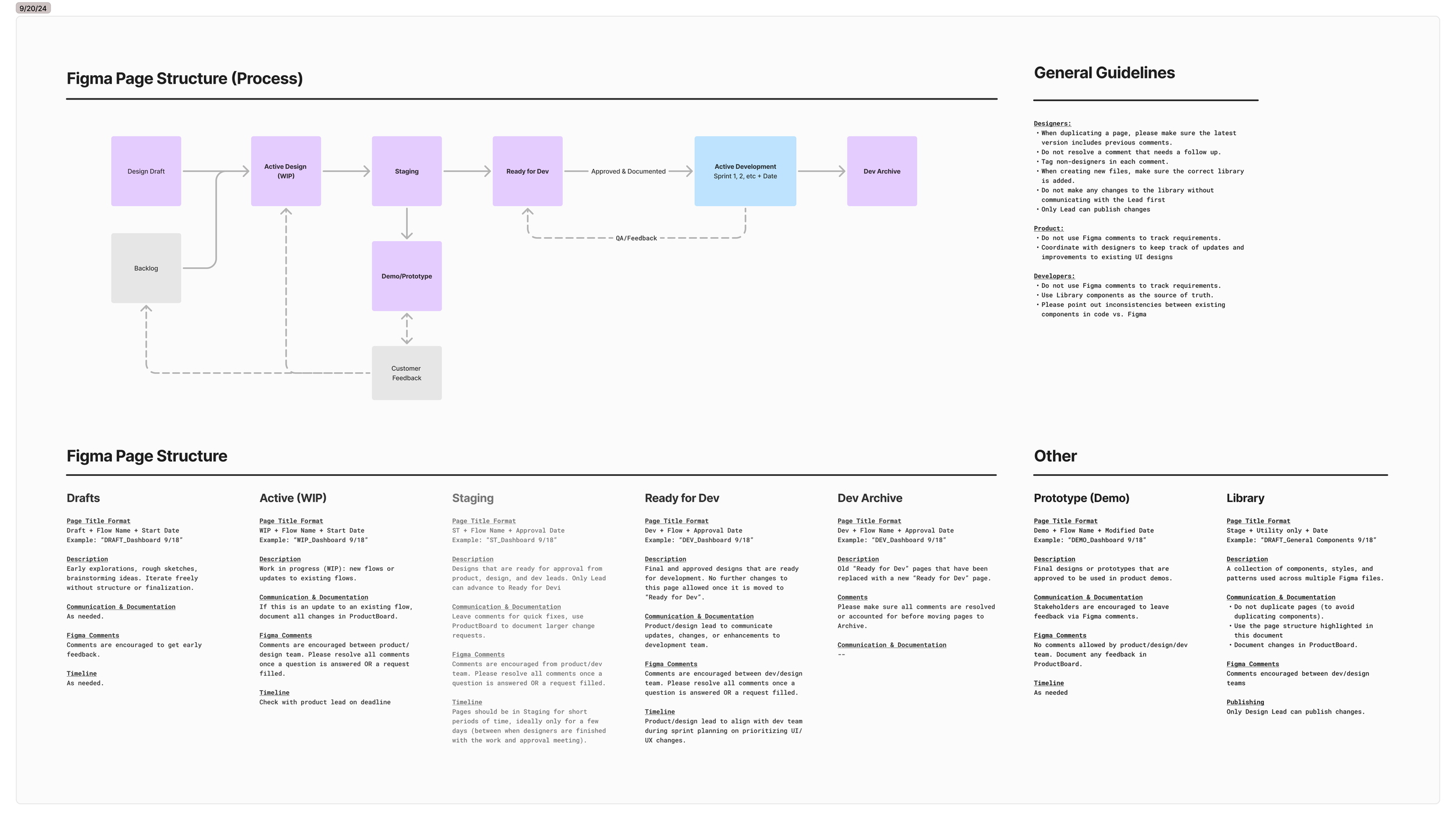
My Role
Led end-to-end product design from concept through release
Partnered with stakeholders to define requirements and workflows
Collaborated with product managers to align with roadmap and priorities
Led a team of designers across key features
Worked closely with engineering (U.S. + offshore) to ensure implementation
Understanding the System
It was a multi-sided platform involving:
Dealers → manage service operations
Fleet Managers → track vehicles and service events
Drivers → request service
Technicians → receive and complete jobs
Each role required:
Different workflows
Different levels of visibility
Real-time coordination
Defining the Workflow
The core system needed to support:
Service request creation
Dispatch and assignment
Real-time tracking
Job completion and updates
Your contribution:
Defined how service events move through the system
Structured workflows to reduce ambiguity
Simplified complex operational steps into clear actions
Product Decisions & Tradeoffs
Balancing speed vs accuracy in dispatch workflows
Designing for multiple user types without overcomplicating the system
Prioritizing features that reduced operational friction first
Ensuring workflows aligned with real-world service operations
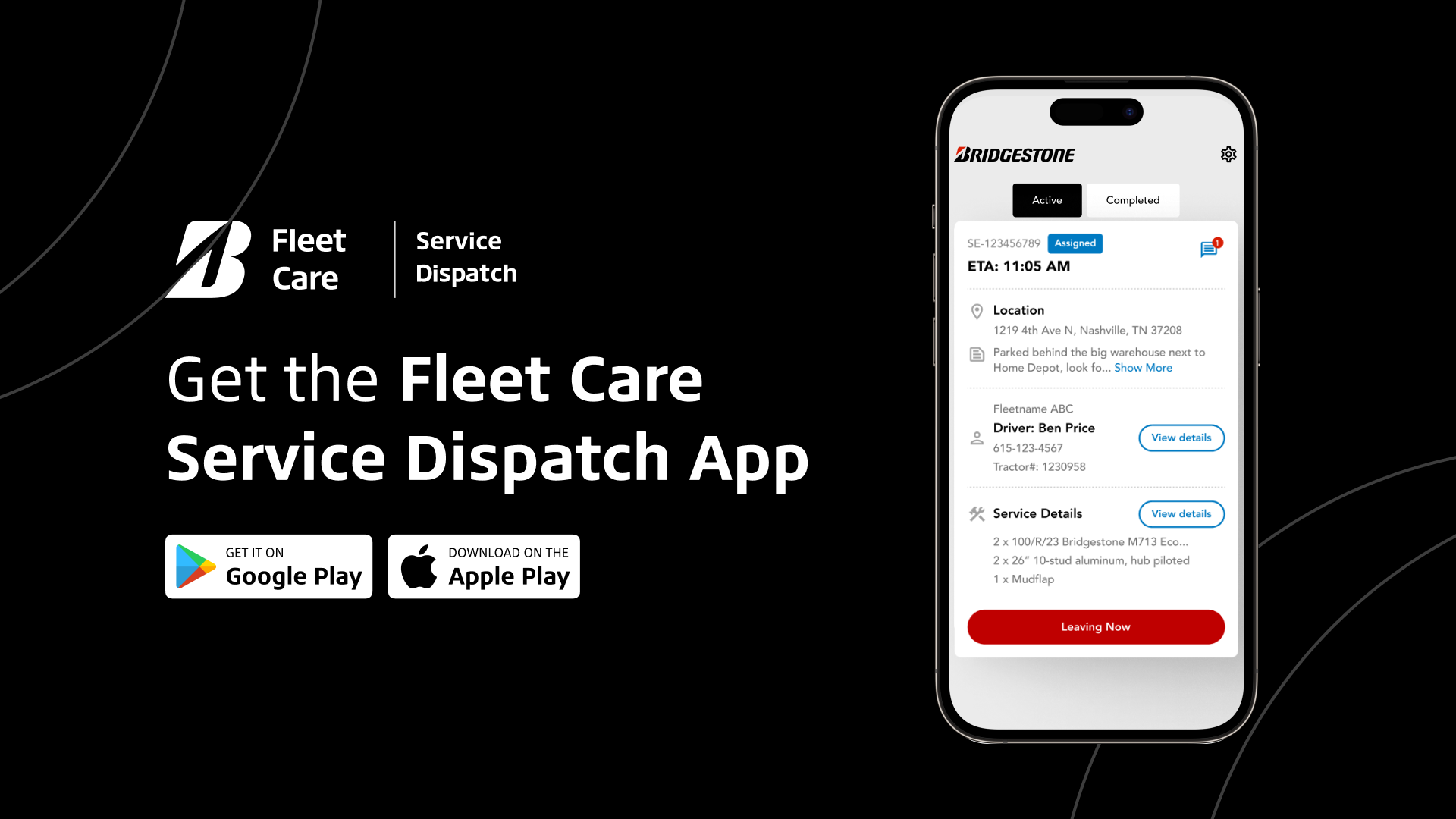
The Solution
A unified platform that:
Connects all user types into one system
Enables real-time visibility across service operations
Simplifies dispatch, tracking, and job management
Impact
Improved visibility across service operations
Reduced delays in dispatch and job coordination
Simplified workflows for multiple user types
Enabled scalable system adoption across dealer network
What I Learned
Designing for real-world operations requires deep understanding of workflows
Systems thinking is critical when multiple user types are involved
Simplicity drives adoption, especially in operational tools
Close collaboration with product and engineering is essential for success